


If your matcha tastes bitter, sharp, or unpleasant, you’re not alone.
Many people try matcha once, experience bitterness, and assume it simply isn’t for them.
In reality, bitterness can be caused by preparation mistakes even when using ceremonial grade matcha. When prepared properly, high-quality matcha should taste smooth, gently sweet, and balanced.
If you're starting out, choosing a smooth ceremonial matcha can make achieving a balanced flavour much easier.
Why Matcha Shouldn’t Taste Harsh
Premium matcha contains natural amino acids, like L-theanine, that create umami richness and subtle sweetness.
When bitterness dominates, something in the preparation process needs adjusting.
1. Water That’s Too Hot
This is the most common cause of bitter matcha.
Boiling water burns the delicate tea compounds, resulting in a harsh, astringent taste.
Fix it:
- Use water between 70–80°C
- If boiling, let water cool for 5 minutes before pouring
2. Using Too Much Matcha Powder
More matcha does not mean better flavour.
Too much powder creates an overly concentrated and bitter drink.
Fix it:
- Use 1–2 grams (½–1 teaspoon) per 60-70 ml water
- Adjust gradually to taste
3. Wrong Whisking
If matcha is not properly whisked, clumps form.
These concentrated pockets of powder can taste bitter.
Fix it:
- Sift matcha before whisking
- Whisk in a zigzag “M” motion
- Whisk until smooth and lightly frothy
👉 Learn the full technique in our step-by-step matcha guide.
4. Using Low-Quality Matcha for Drinking
Culinary-grade matcha is designed for baking and blending — not drinking straight.
It often tastes harsh, flat, and overly bitter.
Fix it:
- Choose ceremonial-grade matcha for drinking
- Look for vibrant green colour and smooth texture
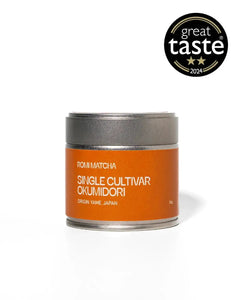
For a naturally smooth profile, many people enjoy Okumidori matcha, known for its mellow depth and low bitterness.
5. Drinking Matcha That Isn’t Fresh
Matcha is sensitive to light, air, and heat.
Old or poorly stored matcha develops bitterness and loses sweetness.
Fix it:
- Store matcha airtight and away from light
- Keep it in a cool environment
- Use within 1–2 months of opening
What Smooth Matcha Should Taste Like
When prepared correctly, matcha should taste:
- smooth and rounded
- gently sweet
- umami-rich
- fresh and vibrant
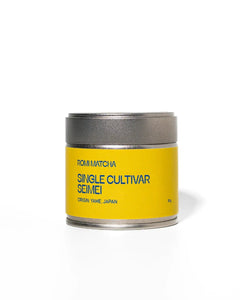
If you prefer a brighter, naturally sweet profile, Saemidori matcha offers exceptional clarity and freshness.
Small Changes, Big Difference
Matcha preparation is simple — but small adjustments make a dramatic difference.
With the right technique and quality matcha, bitterness disappears and balance emerges.
And once you experience a smooth cup, everything changes.
Continue Your Matcha Journey
New to matcha? Our Matcha vs Green Tea guide explains the differences.
You can also explore the wellness benefits in our article on matcha health benefits.