


Best Milk for Matcha Lattes (Taste, Foam & Health)
Milk changes the whole mood of a matcha latte—the body, the sweetness, the calm finish. Below, we compare dairy and plant milks for flavour and everyday health notes (lactose, sugars, glycaemic response), and share exact ratios for a silky cup at home.
Base Latte Formula (Hot & Iced)
- Matcha: 3–5 g (about 2–3 tsp)
- Water: 50 ml at 60–80 °C
- Milk: 100–160 ml (hot or cold)
- Sweetener (optional): 4–8 g agave, maple, or honey
Hot: Heat or steam milk to ~60–65 °C (don’t scald).
Iced: Whisk with hot but not boiling water first, then add cold milk over ice for a clean, smooth finish.
Choose Your Wave (Quick Guide)
- Creamiest texture: Whole dairy or barista oat
- Lower sugar / gentler glucose spike: Unsweetened soy or almond; lactose-free/semi-skim dairy
- Higher protein: Dairy (whole/semi) or soy / protein milk
- Light & refreshing: Almond or semi-skim dairy
- Dessert-leaning: Coconut or whole dairy
- Keep matcha-forward flavour: Choose semi-skim dairy or unsweetened almond/soy. Whole milk and strong-tasting non-dairy can overpower delicate matcha—especially lighter ones like Seimei.
Milk Comparison: Flavour & Health Notes
| Milk | Flavour & Body | Health notes (everyday use) | Best with |
|---|---|---|---|
| Whole dairy | Rich, naturally sweet; ultra-creamy hot lattes | Lactose present; fat + protein can blunt glucose rise for some. Can overshadow delicate matcha—keep milk ~120–150 ml or use 5 g matcha. | Ceremonial Blend |
| Semi-skimmed / Skimmed dairy | Lighter sweetness; cleaner, more matcha-forward | Lower fat; still lactose; crisper finish that lets tea lead | Okumidori, Seimei |
| Lactose-free dairy | Similar to dairy; slightly sweeter | Gentler for lactose-sensitive; still dairy protein | Daily use; sensitive stomachs |
| Oat (barista) | Mellow, naturally sweet; very creamy iced | Often higher available sugars; some cereal-forward brands can dominate—choose neutral barista styles and watch ratios. | Ceremonial Blend, Okumidori |
| Soy (unsweetened barista) | Neutral to lightly sweet | Higher protein; low sugar if unsweetened | Hot & iced; all blends |
| Almond (unsweetened) | Light, gently nutty; crisp finish | Low sugar/carbs when unsweetened; very matcha-forward | Seimei (clean & bright) |
| Pea / protein milks | Neutral to slightly savoury | Higher protein; check labels for added sugars/oils | Pre-/post-workout lattes; iced |
| Coconut | Distinct coconut; dessert-leaning | Higher saturated fat; naturally sweet—reduce syrup. Strong flavour—use sparingly or pair with bolder matcha. | Ceremonial Blend, Okumidori |
Health Deep-Dive (Simple & Practical)
1) Lactose & digestion
If you’re sensitive to lactose, try lactose-free dairy, soy, or almond. They’re gentler for many and keep the latte ritual calm.
2) Sugars & glycaemic response
Oat milks can be naturally higher in available sugars due to processing (enzymes break starch into simpler sugars). Even “no added sugar” versions may taste sweet. If glucose spikes are a concern, choose unsweetened soy or almond, or use lactose-free/semi-skim dairy. Pairing matcha with protein or fat (e.g., dairy or soy protein) and enjoying it with food can help create a steadier curve.
3) Antioxidants & milk proteins
Tea polyphenols can bind to proteins (dairy or soy), which may slightly change measured antioxidant availability. In practice, the effect varies and the overall cup still offers benefits. If you want to maximise catechin uptake, enjoy matcha with water or use unsweetened almond/soy—but don’t let this steal joy from your daily latte.
4) Fortification & nutrients
Plant milks often add calcium, vitamin D, B12. Prefer unsweetened, fortified, barista versions for better foam and balance.
Friendly note: Everyone responds differently. If you have specific health needs, this isn’t medical advice—listen to your body or speak with a professional.
Perfecting the Technique
- Make a slurry: Sift matcha, add 50 ml hot water (70–80 °C) and whisk until satin-smooth.
- Heat or foam milk: 60–65 °C is the sweet spot for hot milk; for iced, keep milk cold.
- Combine: Pour milk into the slurry. For iced, add cold milk over plenty of ice.
- Adjust: Sweeten to taste. A tiny pinch of sea salt with maple can make it extra creamy.
Keep the tea first (ratios that protect flavour):
Start with 4–5 g matcha to 120–150 ml milk.
If milk tastes louder than tea: reduce milk by 20–30 ml, add 10–20 ml water to the slurry, or increase matcha by 0.5–1 g.
For iced lattes, remember ice dilutes—keep milk on the lower end or add a small matcha shot on top.
Pairing by Romi Blend
- Ceremonial Blend: Barista oat or whole dairy for a creamy, nutty latte (watch milk volume to keep the tea leading).
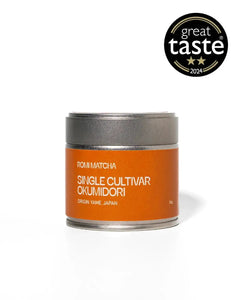
- Okumidori: Whole dairy or coconut for a deeper, dessert-leaning cup; also works well with barista oat.
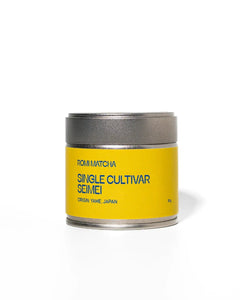
- Seimei: Semi-skim/skim dairy, or unsweetened almond/soy to keep things light, bright, and refreshing.
Troubleshooting
- Chalky texture: Sift, whisk longer, and start with a warm slurry—even for iced.
- Too thin: Increase matcha to 5 g or reduce milk by 20–30 ml.
- Too bitter: Lower water temperature, add a touch more milk, or switch to a sweeter milk.
- Milk dominates the flavour: Reduce milk by 20–30 ml, choose semi-skim/almond/soy, or use bolder matcha (Okumidori).
🛒 Shop Romi Ceremonial Matcha | Whisks, Sieves & Spoons
Related Guides
- How to Make Matcha at Home →
- Best Water Temperature for Matcha →
- Cold-Brew Matcha (No Whisk, Ultra-Smooth) →
FAQ
Does oat milk spike blood sugar?
It can for some people. Oat milks often carry more available sugars from processing. Choose unsweetened versions, watch portions, and consider soy/almond or dairy if you prefer a gentler curve.
Which milk is lowest in sugar?
Typically unsweetened almond or unsweetened soy. Always check the label—brands vary.
Does milk block matcha’s antioxidants?
Proteins can bind tea polyphenols, but the real-world impact appears modest. If you want maximum catechins, enjoy matcha with water or use unsweetened plant milk.
What’s the healthiest latte?
The one you enjoy consistently. For lower sugar: unsweetened soy/almond or lactose-free/semi-skim dairy. For more protein: soy or dairy. For indulgence: whole dairy or coconut (less often).