


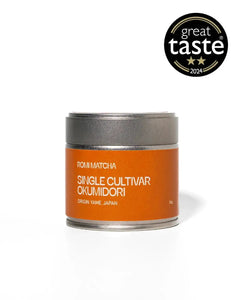
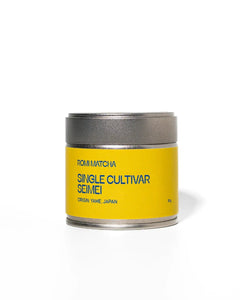
Most people who drink matcha have heard of Uji, the famous tea region near Kyoto. But within Japan’s tea world, another region is highly respected for exceptional quality: Yame.
Located in Fukuoka Prefecture on the island of Kyushu, Yame has been producing tea for more than 600 years. Today, the region is known for some of Japan’s most celebrated teas, including gyokuro and ceremonial-grade matcha.
Romi's first collection comes from Yame. We chose this region for its remarkable growing conditions, rich tea heritage, and distinctive nutty flavour profile.

The History of Yame Tea
Tea cultivation in Yame dates back to the Muromachi period, around 600 years ago.
Historical records trace the beginning of Yame tea to a Zen master named Shuzui, who returned from China’s Ming Dynasty and brought tea seeds to the region. Along with the seeds, he introduced knowledge of tea cultivation and preparation.
From those early gardens, tea production gradually spread throughout the area. By the Edo period, Yame tea was already gaining recognition for its quality, and by the late 19th century, tea from the region was exported overseas through Nagasaki.
Today, Yame remains one of Japan’s most respected tea-producing regions.
The Terroir Behind Yame Matcha
Just like wine, tea is shaped by where it grows. Climate, soil, and landscape all influence the character of the leaves.
Several natural conditions make Yame matcha particularly special.
Climate
Tea plants thrive in warm conditions with abundant rainfall, and Yame offers both. The region receives around 1,300–1,400mm of rain each year, with much of it falling during the growing season.
Morning mist often settles across the valleys, creating natural shade that helps tea leaves retain important flavour compounds.
Another key factor is the difference between day and night temperatures. These temperature swings slow the growth of the leaves and encourage the development of amino acids such as L-theanine.
L-theanine contributes to matcha’s signature umami depth and the calm, focused energy it is known for.
You can learn more about matcha caffeine and L-theanine.
Soil
Yame’s soil is naturally acidic, with a pH between 4.5 and 5, which is ideal for tea plants.
The soil also allows roots to grow deeply, often reaching 60cm or more. This helps the plants absorb a wide range of minerals that influence flavour and leaf quality.
The result is matcha that tends to taste smooth, layered, and naturally sweet, with less bitterness than lower-grade powders.
A Region Known for Award-Winning Tea
Within Japan, Yame is widely recognised for producing exceptional tea.
The region has repeatedly received the Production Area Award at Japan’s National Tea Competition, reflecting a high standard of quality across multiple producers.
Yame is also especially well known for gyokuro, one of Japan’s most prized green teas. Matcha begins with the same careful shading process used for gyokuro before the leaves are stone-ground into powder.
This long-standing focus on cultivation quality is one of the reasons Yame has become so respected among tea specialists.
What Does Yame Matcha Taste Like?
The flavour of matcha varies depending on the cultivar, cultivation method, and terroir. In general, Yame matcha is known for:
- deep umami richness
- natural sweetness
- smooth texture
- low bitterness
- vibrant green colour
These qualities make Yame matcha especially enjoyable for both traditional preparation and matcha lattes.
You can also read our Why Does Matcha Taste Nutty? and Matcha Taste Profile Explained to learn more.
Why We Source from Yame
Romi chose to focus on Yame because it represents the qualities we value most: excellent flavour, careful cultivation, and a strong tea-making tradition.
Every cup begins with the region itself — its climate, soil, and generations of expertise.
If you are looking for ceremonial-grade matcha with depth, smoothness, and character, Yame is a region worth discovering.
Explore Romi's Yame Matcha
If you’d like to experience the flavour of Yame matcha for yourself, explore our collection and find the style that suits you best.
→ Explore our Yame Matcha Collection
→ Take our Matcha Quiz
→ Read our How to Make Matcha Guide