

How Much Caffeine Is in Matcha?
The numbers, the nuance — and why matcha energy feels so different to coffee.
Yes — matcha contains caffeine. But here's the thing: it doesn't hit the same way as coffee. That calm, focused energy you get from a bowl of matcha? There's a real reason for it. And once you understand what's going on, you'll never look at your morning routine the same way again.
A standard 2g serving of matcha contains around 38–70 mg of caffeine — roughly half a cup of coffee. But how it feels is a whole different story.
So, how much caffeine exactly?
On average, matcha contains 19–44 mg of caffeine per gram. Use a standard 2g serving and you're looking at around 38–70 mg. Push it to 3–4g and you're in the 57–176 mg range.
For context: a single espresso shot has around 63 mg, and a regular cup of filter coffee sits at 80–100 mg. So matcha is genuinely in the same ballpark — which might surprise you if you've always thought of it as a gentle, low-caffeine option.
The difference isn't the amount of caffeine. It's in how your body processes it.
Why matcha energy feels different
This is where it gets interesting. Matcha contains L-theanine — an amino acid almost exclusive to the tea plant — and it works directly alongside caffeine to change how you experience it.
Coffee caffeine comes at you fast. Sharp spike, quick peak, then the familiar crash a few hours later. Matcha caffeine is slower, smoother, more sustained. L-theanine promotes alpha brain wave activity — the kind linked to calm alertness and focus — and it softens the stimulant effect without switching it off.
The result? What matcha drinkers know as the wave. Steady, focused energy that lasts 4–6 hours, without the jitters or the slump. That's not marketing language — it's just how the chemistry works.
"Less spike, more wave. That's matcha caffeine in three words."
Matcha vs everything else: the numbers
| Drink | Serving | Caffeine |
|---|---|---|
| Matcha (standard) | 2g powder | 38–70 mg |
| Matcha (light) | 1g powder | 19–44 mg |
| Matcha (strong) | 3–4g powder | 57–176 mg |
| Espresso | Single shot (30ml) | ~63 mg |
| Filter coffee | 240ml cup | 80–100 mg |
| Black tea | 240ml cup | 40–70 mg |
| Green tea (steeped) | 240ml cup | 20–45 mg |
Matcha figures based on 19–44 mg per gram. Ceremonial-grade Yame matcha typically sits toward the higher end of this range.
Worth noting: matcha has significantly more caffeine than steeped green tea. That's because when you drink matcha, you're consuming the whole leaf in powder form — nothing gets left behind. With regular green tea, most of the leaf ends up discarded.
What affects how much caffeine is in your matcha?
Not all matcha has the same caffeine content. A few things make a real difference:
Shading
Ceremonial-grade matcha is shade-grown for 3–4 weeks before harvest. Blocking sunlight pushes the plant to produce more chlorophyll, L-theanine, and caffeine. It's why high-quality matcha has both deeper flavour and a more powerful, sustained effect.
Harvest
First-harvest spring leaves (ichibancha) are younger and more concentrated — higher in caffeine, L-theanine, and flavour. Later harvests tend to be lighter and less potent.
Cultivar
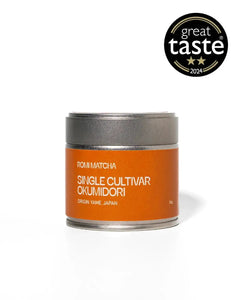
Different tea plant varieties have different caffeine profiles. Okumidori, known for its creamy depth and nutty finish, carries a naturally concentrated profile shaped by centuries of cultivation in Yame.
How much you use
The most direct variable. 1g vs 3g can mean a difference of 90 mg or more. The standard Romi serving is 2g — enough for calm, sustained energy without going overboard.
Looking for an extra caffeine hit? Here's what to try
Okumidori Single Cultivar — Sweet, creamy and nutty with a deep umami finish. Shade-grown in Yame for maximum depth. Ideal for mornings when you need something grounding and focused.
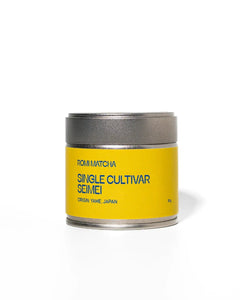
Seimei Single Cultivar — Bright, clean and lightly sweet with a fresh, refreshing lift. Great when you want clarity without intensity.
Ceremonial Blend — Our everyday matcha. Balanced, consistent and reliably great. The one to reach for when you just want a brilliant matcha, every single morning.
Will matcha keep me awake at night?
It can, depending on when you drink it and how sensitive you are to caffeine. Caffeine has a half-life of around 5–6 hours in most people — so a 2pm matcha still has roughly half its caffeine active by 8pm. If you're sensitive, keep matcha to mornings or early afternoon.
That said, most people find matcha disrupts sleep less than coffee. L-theanine promotes relaxation even as the caffeine lingers — so the overall experience tends to be gentler on your system, even late in the day.
The bottom line
Matcha has real caffeine — around 38–70 mg in a standard 2g serving. It's not weak, and it's not caffeine-free. But thanks to L-theanine, the way it delivers that caffeine is genuinely different to coffee. Calmer. More focused. Longer-lasting.
Whether you're replacing your morning coffee or just looking for a better kind of energy — matcha delivers. Not because it has more caffeine, but because the energy it gives you simply works better.
Try it. You'll feel the difference!
How much caffeine is in a cup of matcha?
How much caffeine is in 1g of matcha?
Does matcha have more caffeine than green tea?
Does matcha caffeine cause jitters?
How much caffeine is in matcha vs coffee?
Will matcha keep me awake at night?
Ready to feel the wave for yourself?
Shop ceremonial matcha