


The harvest itself lasts only a short while. But what happens in the weeks before picking — and during the quiet winter months before that — is where the character of great matcha is truly formed.
In Japan, the most prized tea of the year comes from the first spring harvest, known as ichibancha. These are the first tender shoots to emerge after winter dormancy — fresh, vivid green, and full of the energy the plant has stored through the colder months.
For high-quality ceremonial matcha, this moment matters enormously. The first flush is usually the softest, most delicate, and most flavourful harvest of the year. It is where the smooth umami, low bitterness, and vibrant colour of good matcha begin.
In Yame, Fukuoka, where Romi Matcha is sourced, spring harvest is a quiet but intense season. The whole year builds towards this short window — months of soil care, pruning, preparation, and patience, all for a few carefully timed days in the field.
What is first flush matcha?
First flush matcha is made from the earliest tea leaves harvested in spring. After winter, the tea plant begins to wake again, producing new shoots that are naturally tender and rich in flavour.
These young leaves are especially valued for matcha because they tend to produce a smoother, more refined cup. Compared with later harvests, first flush tea is usually less coarse, less bitter, and more aromatic — making it ideal for ceremonial grade matcha.
This is one of the reasons Romi follows the rhythm of the spring harvest rather than blending year-round stock. Matcha is not just a product. It is seasonal. Each harvest carries the character of that year.
The three weeks before harvest
Before the leaves are picked, something important happens. Around three weeks before harvest, the tea plants are covered to reduce direct sunlight. Traditionally, this was done with woven rice straw; today, some farms also use shade cloth, depending on the tea and the producer.
This shading process is one of the defining steps behind shade-grown Japanese tea. By limiting sunlight, the plant responds differently. The leaves become deeper green, chlorophyll increases, and the flavour becomes softer, sweeter, and more umami-rich.
It also helps preserve more L-theanine, the amino acid naturally found in tea that contributes to matcha’s smooth, savoury taste and calm, focused character. This is one of the things that makes shade-grown matcha feel so different from ordinary green tea.
Why shade-grown tea tastes different
When tea plants are shaded, the leaves develop a deeper green colour and a more rounded flavour. This is why properly shade-grown matcha often tastes smoother, richer, and less bitter than standard green tea.
For matcha, this matters because you are drinking the whole leaf in powdered form. There is nowhere for poor-quality leaf to hide. The colour, aroma, texture, and taste all come directly from how the tea was grown, shaded, harvested, and processed.
L-theanine is an amino acid naturally found in tea. It is one of the reasons matcha is often associated with calm, steady focus rather than the sharper feeling many people experience with coffee.
Matcha naturally contains both caffeine and L-theanine. Together, they help create the steady, calm energy that makes matcha such a loved daily ritual. The amount can vary depending on the cultivar, growing conditions, shading, harvest, and grade of the tea.
Why Yame focuses on quality over volume
Yame is not Japan’s largest tea-producing region, but it is one of its most respected. Rather than focusing only on volume, many Yame producers are known for careful cultivation, first-harvest tea, and deeply shaded styles such as Gyokuro, tencha, and matcha.
One important approach associated with Yame is heavy bud cultivation. This means reducing the number of buds on the plant so the remaining buds can grow larger, denser, and more concentrated. It is a slower way of farming, but one that supports depth of flavour and quality in the leaf.
For Romi, this is exactly what makes Yame so special. The region’s matcha is not just green and smooth. It carries softness, nuttiness, and a quiet complexity that comes from the land, the season, and the way the tea is grown.
From spring leaf to ceremonial matcha
Once harvested, the fresh tea leaves begin their next transformation. For matcha, they are not rolled like sencha. Instead, they are steamed, dried, and processed into tencha — the leaf material that will later be carefully milled into fine matcha powder.
This is why spring harvest is only the beginning. The leaf still needs to be protected, processed, refined, rested, and stone-milled before it becomes the vibrant green powder you whisk into a bowl.
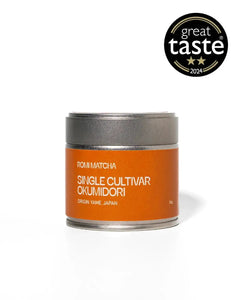
You can taste this spring-harvest character in our Okumidori Matcha, with its creamy umami and mellow nuttiness, and in our signature Ceremonial Blend, crafted for a smooth, balanced everyday cup.
For more on how to make matcha properly at home, explore our Matcha Guide.
The matcha in your tin began as a spring leaf — shaded before harvest, picked at its best moment, and shaped by a season that comes only once a year.
The window is short. The work behind it is long. And that is what makes the first flush so special.
Romi Matcha · Single-origin from Yame, Fukuoka, Japan