



What the Science Says About Matcha's Health Benefits
A peer-reviewed look at how matcha affects focus, stress, metabolism, and the body — and why quality matters more than you might think.
We've always believed that matcha is more than just a beautiful, vibrant drink — it's a ritual with real benefits. And now, science is catching up to what Japanese tea culture has known for centuries. A peer-reviewed study published in Current Research in Food Science took a deep look at the therapeutic potential of matcha, reviewing both human clinical trials and animal studies. Here's what the research found — and why it matters for your daily cup.
What makes matcha different
Matcha isn't just any green tea. Because the whole leaf is ground into a fine powder and consumed entirely, you're getting significantly more of its beneficial compounds than you would from a steeped loose-leaf tea. In fact, when dissolved in water, matcha produces roughly three times more catechins — powerful antioxidants — than traditional loose-leaf green tea.
The magic lies in a trio of bioactive compounds:
- EGCG (epigallocatechin-3-gallate) — The most abundant and active antioxidant catechin in matcha.
- L-theanine — A rare amino acid that promotes calm focus and gives matcha its signature umami depth.
- Caffeine — Naturally present in higher amounts in matcha's young tea buds, working in synergy with theanine for a smoother, more sustained energy boost.
Matcha for your mind
One of the most exciting areas of matcha research is its effect on cognitive function. Clinical trials found that regular matcha consumption led to a significant reduction in anxiety and physiological stress markers, improved reaction time, and enhanced performance on attention and memory tasks — particularly under stress.
What makes matcha's cognitive benefits unique is the interplay between its compounds. Caffeine alone can sharpen focus in the short term, but studies found that continuous matcha intake — with theanine and catechins working together — produced better, more sustained mental performance under stress than caffeine alone. That "calm alertness" matcha drinkers often describe? There's real science behind it.
Animal studies add another layer to the picture, suggesting matcha may support brain health over the long term by protecting vascular health in the brain, upregulating BDNF (a protein that supports learning and memory), and reducing neuroinflammation.
"Calm alertness isn't a marketing line. It's the synergy of caffeine, L-theanine, and catechins working together."
Matcha for your body
The research also points to meaningful cardio-metabolic benefits. In animal studies, matcha consumption alongside a high-fat diet consistently resulted in:
Weight management
Reduced weight gain and improved body composition compared to control groups, even on high-fat diets.
Blood sugar
Improved blood glucose levels and better insulin response, suggesting metabolic support.
Cholesterol & lipids
Lower LDL ("bad") cholesterol and reduced triglycerides — markers tied to cardiovascular risk.
Inflammation
Significant reduction in inflammatory markers linked to chronic conditions like type 2 diabetes and heart disease.
Researchers noted that matcha's unique combination of catechins, fibre, and antioxidants works together to protect the liver, reduce oxidative stress, and support the body's natural metabolic balance.
A note on quality
Here's something the research highlights that we take seriously at Romi: quality matters enormously.
In studies assessing matcha sold in Japan and overseas, many international samples had lower levels of theanine, or a less favourable balance between theanine, arginine, caffeine, and EGCG — compounds thought to influence matcha’s calming, stress-reducing effect.
This suggests that not all matcha offers the same functional profile, and that carefully grown, high-quality Japanese matcha is more likely to deliver the balanced composition people associate with calm, focused energy.
That's why sourcing and quality are at the heart of everything we do. Our ceremonial matcha is grown in Yame, Fukuoka — one of Japan's most decorated tea regions — and shaded for over 21 days before a traditional first-flush harvest.
The bottom line
Researchers are careful to note that more large-scale human clinical trials are needed before definitive health claims can be made. But the existing evidence paints an encouraging picture: matcha, consumed regularly and at good quality, supports cognitive function, metabolic health, and overall wellbeing in ways that are backed by a growing body of science.
So the next time you whisk up a bowl of Romi matcha, know that every sip carries centuries of tradition — and an increasingly impressive scientific story.
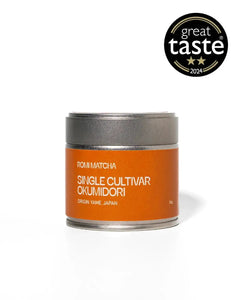
Single Cultivar Okumidori Matcha — Yame-grown, first-harvest, shaded for 21+ days. Creamy, deeply umami, and full of the bioactive compounds the research describes.
Single Cultivar Saemidori Matcha — Nutty, lightly roasted, with smooth umami and a fresh floral finish. The clear-green sibling.
Based on findings from: Sokary et al., "The therapeutic potential of matcha tea: A critical review on human and animal studies," Current Research in Food Science, 2022.
Is matcha actually good for you?
What's the difference between matcha and regular green tea?
Does matcha really help with focus and stress?
Can matcha help with weight or metabolic health?
Why does matcha quality matter for health benefits?
How much matcha should you drink for the benefits?
Ready to drink the science?
Shop ceremonial matcha