


Why People Drink Matcha Before the Gym (And Why It Works)
Steady energy, sharper focus, no crash — why more people are skipping the strong coffee and reaching for matcha before their workouts.
Pre-workout drinks used to mean one thing: strong coffee or high-caffeine energy drinks. Fast, intense, and sometimes a little overwhelming.
But more people are now reaching for something different before their workouts — matcha. Not because it hits harder, but because it feels better.
So what makes matcha such a good pre-gym drink?
01.Calm, steady energy — not a spike
Matcha contains caffeine, but it works differently from coffee. Instead of a quick spike, matcha releases energy more gradually. This is largely due to L-theanine, a natural amino acid found in shade-grown Japanese teas.
The result is a more steady, sustained energy — the kind that carries you through your workout without the jittery feeling. It's less of a rush, more of a smooth build.
02.Better focus during your workout
Working out isn't just physical — it's mental too. Whether you're lifting, running, or doing a class, staying focused makes a difference. Matcha's combination of caffeine and L-theanine is known to support alert but calm concentration.
That means you're more present in your workout — not distracted, not overstimulated.
03.No harsh crash after
One of the biggest downsides of typical pre-workouts is the crash. With matcha, the slower release of caffeine means energy tapers off more gently. You're less likely to feel drained or sluggish afterwards.
For many people, that alone makes it worth switching.
04.Easier on the body
Some pre-workouts can feel intense — high caffeine, added stimulants, and ingredients you don't always recognise. Matcha is simple. Just finely ground green tea leaves, traditionally used for centuries in Japan. It offers a more natural, balanced way to energise before movement.
05.A ritual that sets the tone
There's also something else people don't always talk about — the ritual. Taking a minute to make your matcha before heading to the gym creates a small pause. A moment to reset, focus, and get into the right mindset.
It turns energy into intention.
Matcha vs coffee vs pre-workout drinks
If you're switching from one of the usual options, here's how they stack up:
| Matcha | Coffee | Pre-workout | |
|---|---|---|---|
| Energy curve | Slow, steady, sustained | Fast spike | Sharp rush |
| Focus | Calm, alert | Sharp but jittery | Intense, sometimes wired |
| Crash | Gentle taper | Common | Often pronounced |
| Ingredients | Whole-leaf green tea | Coffee bean | Mixed stimulants |
| Ritual factor | High | Medium | Low |
"Not for the spike. For the balance."
How to drink matcha before the gym
You don't need anything complicated.
Why it fits a different kind of energy
Matcha isn't about pushing harder at all costs. It's about feeling good while you move — steady energy, clear focus, and no extremes.
That's why more people are choosing it before the gym. Not for the spike. For the balance.
Matcha is known for its calm, steady energy — but it still contains caffeine. If you're sensitive or working out on an empty stomach, you might find it feels a little strong.
In that case, it can help to have something light to eat before drinking matcha, or start with a smaller amount and see how your body responds. Everyone reacts differently — the key is finding what feels good for you.
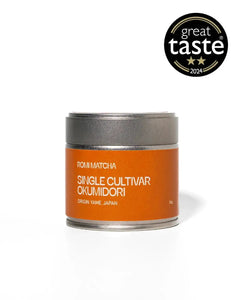
Single Cultivar Okumidori Matcha — Creamy, deeply umami, and grounding. The everyday hero for steady pre-workout energy.
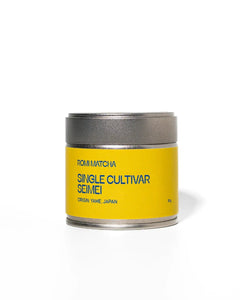
Single Cultivar Saemidori Matcha — Lighter, fresher, more focused. Great when you want clarity without intensity.
Is matcha a good pre-workout drink?
How long before a workout should I drink matcha?
How much matcha should I drink pre-workout?
Is matcha better than coffee for working out?
Will matcha cause a crash like other pre-workouts?
Can I drink matcha pre-workout on an empty stomach?
Ready to swap the spike for the balance?
Shop ceremonial matcha